

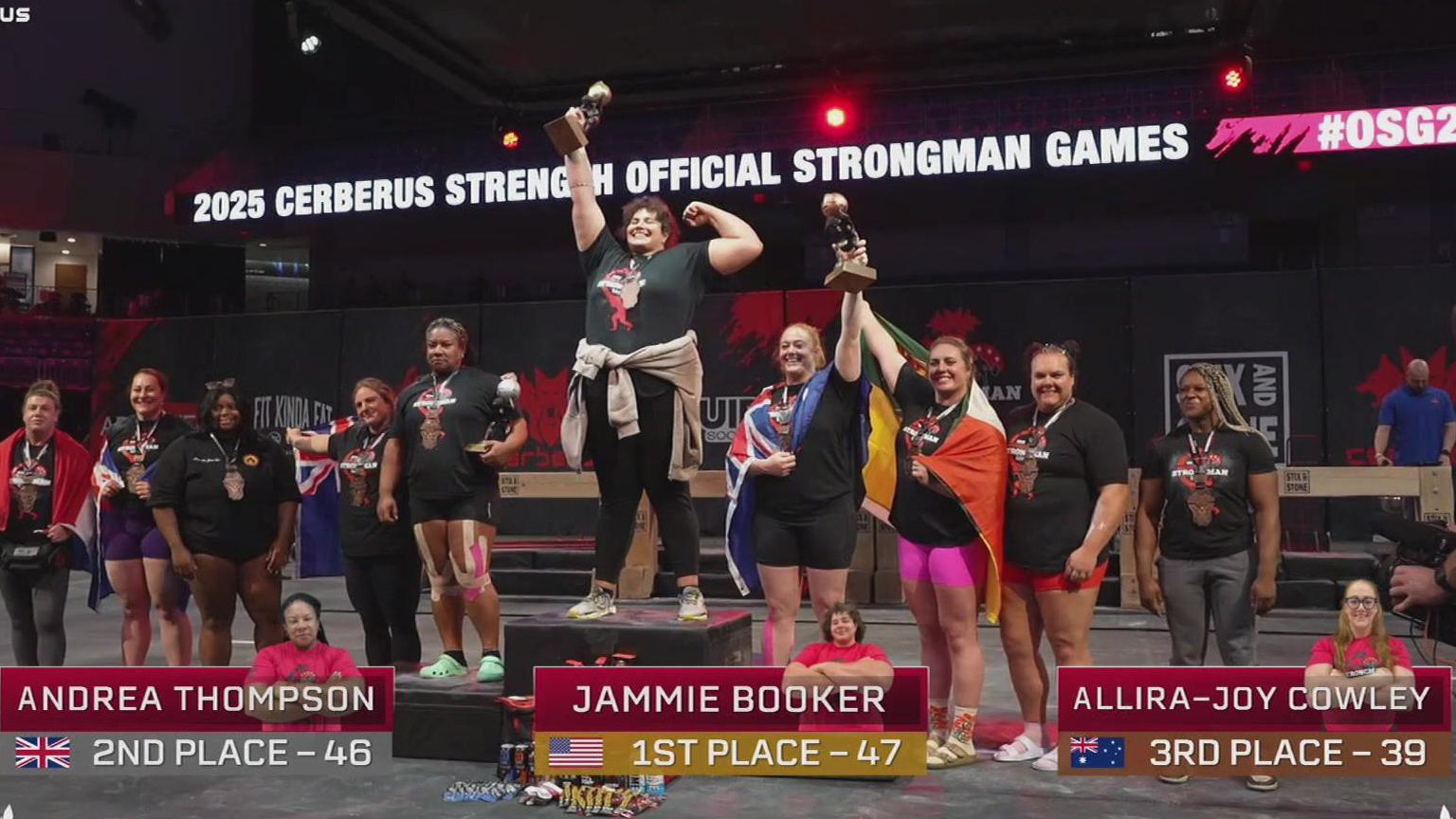
The American competitor was disqualified from the global female strength competition
A British competitor honored as the world's strongest woman claims she was robbed of her winning moment after it emerged the initial winner was a trans female who was ineligible to compete.
The British strongwoman was awarded the championship retrospectively after American athlete the disqualified contestant was disqualified.
Thompson told athletic press the event, held in the Texas city of Arlington, was overshadowed by an individual who wasn't eligible to participate.
"I felt very frustrated and upset with what she's done," she said. "She was untruthful and was very deceptive, and deprived a lot of opportunities from a lot of women.
"The lady that came 11th didn't get the chance to do the final day... to achieve the elite ranking in the world."
Organisers, the competition body, said "participants could only participate in the category for their birth sex registered at birth", and that they had eliminated the competitor in question "who is biologically male."
Event Details
Records indicate Booker participated in at least several additional strongwoman events this year - winning the Rainier Classic in summer and finishing second at North America's Strongest Woman in mid-summer.
Sports media were unable to contact the athlete and the organization confirmed "efforts had been made to contact the athlete... but a response had not been obtained."
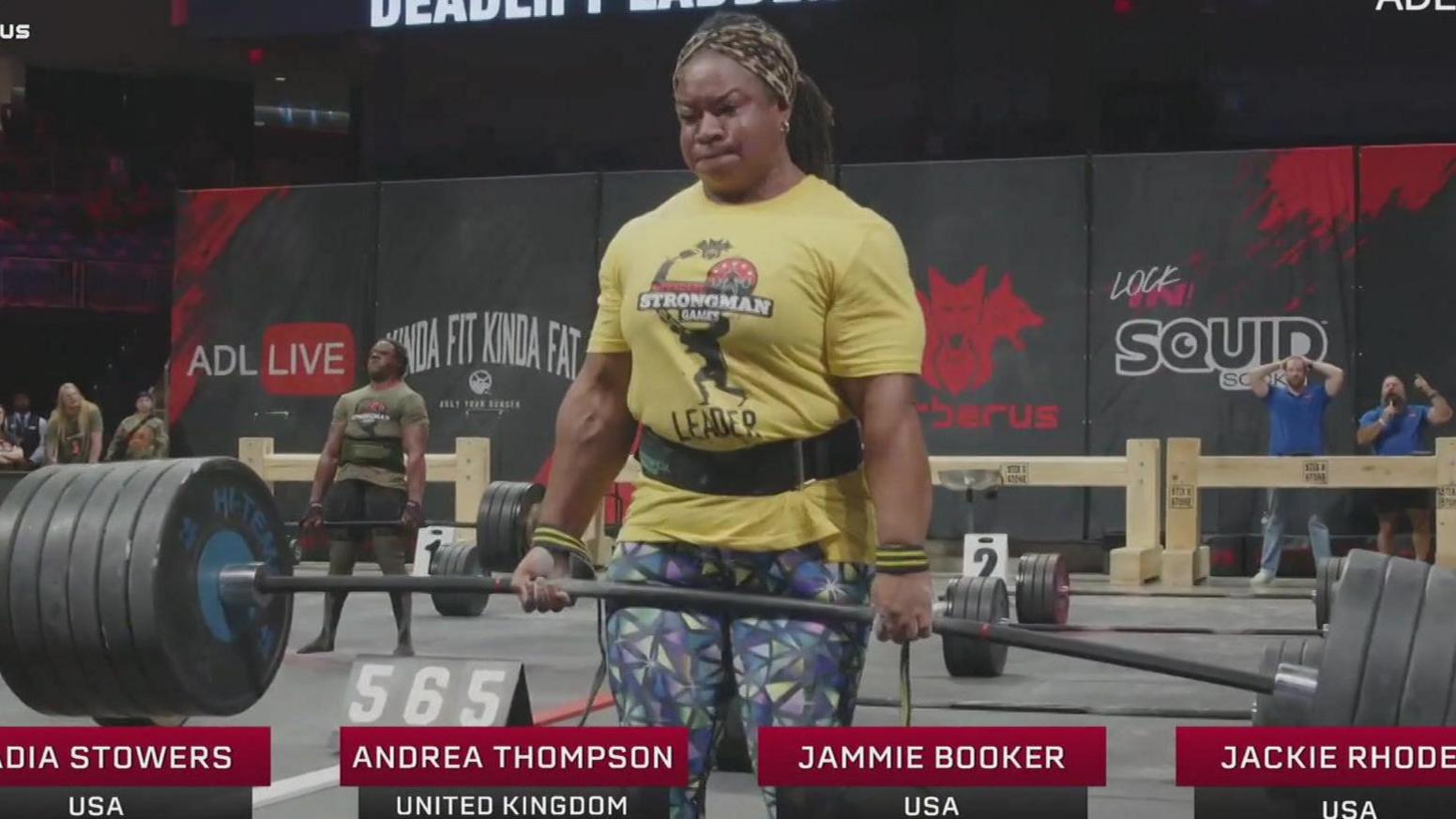
The British athlete had initially finished second to the American athlete
Thompson, forty-three, ultimately became the global female strength champion for the second occasion, having previously won the title in two thousand eighteen.
But it was only following this year's event concluded that she learned her rival had been not qualified to participate.
"There existed no indication at all during the event - no-one had any reason to question any issues," said the mother of two from Suffolk.
"It was about several hours after that the first rumours started circulating, and then the organisers notified me.
"It represents a significant accomplishment that's been marred by some deception."
Competition Particulars
Power competitions have no single regulatory authority, instead, private organizations organize a range of competitions.
The World's Strongest Woman title is awarded at the International Strength Competition, organized by a UK-registered organization.
Over 400 competitors from nearly forty nations participated in this year's event, which organisers characterize as "one of the highest points of the strength world."
The Competition included contests across multiple sex, weight and years classifications.
The British athlete and the American competitor were in the Women's Open category and competed in half-dozen events over multiple days, including the overhead press, frame carrying and deadlift ladder.
Regulations and Eligibility
An announcement from event officials said: "Athletes are assigned to male or women's categories based on whether they are registered as male or female at birth.
"It appears that an competitor who is biologically male and who currently self-identifies as a woman competed in the Female Open category... officials were unaware of this situation prior to the competition."
In 2023, the state introduced a regulation banning "males by birth from participating with female athletes", although this only applies to higher education sport in the state.
Thompson thinks strongwoman competitions may introduce gender verification in the future.
"I guess it's going to have to go down that path... but our sport is still relatively recent. There's not enough money in it to have these procedures in place. We rely on the integrity of the athletes."
Wider Athletic Landscape
In recent years, a increasing quantity of athletic organizations have prohibited competitors who have experienced male puberty from participating in elite female competition, amid concerns over fairness and protection, including international swimming and track and field bodies.
In spring, prominent British athletic organizations were among a group of institutions to implement similar policies, after the Britain's highest court's ruling that the official classification of a female is based on birth sex.
The decisions have been opposed by transgender advocacy activists, who contend they could violate human rights and insist inclusion should be prioritised.
Both global track and field and boxing bodies implemented chromosomal testing this season, claiming it is necessary to protect the fairness of women's competition.
A representative from the global track organization has stated that between 50 and 60 athletes who experienced puberty as males have been top placers in the female category in global and continental athletics competitions since the year two thousand.


