
The largest surprise the movie business has experienced in 2025? The return of horror as a dominant force at the UK film market.
As a style, it has remarkably outperformed past times with a annual growth of 22% for the British and Irish cinemas: over £83 million this year, versus £68.6 million last year.
“Previously, zero horror films made £10 million in the UK or Ireland. Currently, five have surpassed that mark,” comments a film industry analyst.
The major successes of the year – a recent horror title (£11.4 million), another hit film (£16.2m), The Conjuring Last Rites (£14.98 million) and the sequel to a classic (£15.54m) – have all stayed in the theaters and in the audience's minds.
While much of the expert analysis centers on the unique excellence of renowned filmmakers, their successes indicate something changing between audiences and the category.
“Many have expressed, ‘You should watch this even if horror isn’t your thing,’” explains a film distribution executive.
“Such movies experiment with style and format to produce entirely fresh content, connecting with viewers on a new level.”
But beyond aesthetic quality, the steady demand of frightening features this year indicates they are giving cinemagoers something that’s greatly desired: emotional release.
“These days, movies echo the prevalent emotions of rage, anxiety, and polarization,” says a genre expert.
“Scary movies excel at tapping into viewers' fears, amplifying them, allowing you to set aside daily worries and concentrate on the on-screen terror,” explains a noted author of horror film history.
Amid a global headlines featuring war, border tensions, far-right movements, and environmental crises, supernatural beings and undead creatures strike a unique chord with viewers.
“It’s been noted that vampire cinema thrives during periods of economic hardship,” states an actress from a successful fright film.
“It’s the idea that capitalism sucks the life out of people.”
Since the early days of cinema, social unrest has influenced the genre.
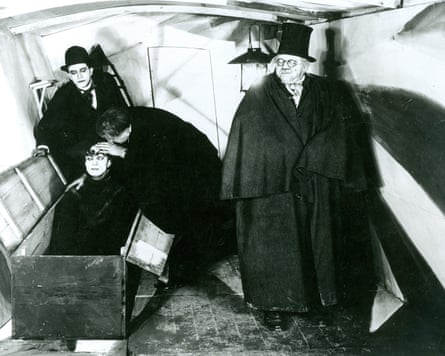
Experts highlight the surge of European artistic movements after the WWI and the unstable environment of the early Weimar Republic, with films such as early expressionist works and a pioneering fright film.
This was followed by the economic crisis of the 30s and classic monster movies.
“Consider the Dracula narrative: an outsider from the east brings a corrupting influence that permeates society and challenges its heroes,” explains a historian.
“So it reflects a lot of anxieties around immigration.”
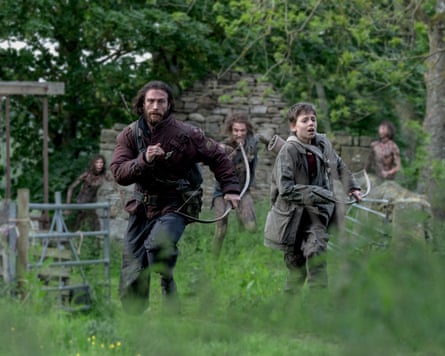
The phantom of immigration influenced the recently released rural fright The Severed Sun.
The creator explains: “My goal was to examine populist trends. For instance, nostalgic phrases promising a return to a 'better' era that excluded many.”
“Additionally, the notion that acquaintances might unexpectedly voice extreme views, leaving others shocked.”
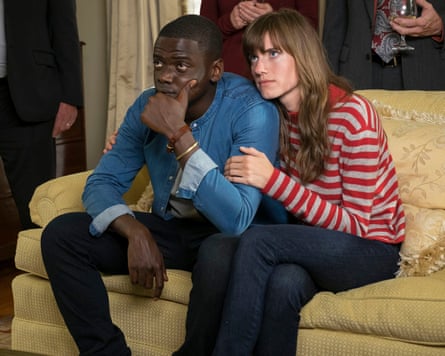
Maybe, the modern period of praised, culturally aware scary films commenced with a clever critique debuted a year after a polarizing administration.
It ushered in a recent surge of innovative filmmakers, including a range of talented artists.
“It was a hugely exciting time,” says a director whose film about a deadly unborn child was one of the era’s tentpole movies.
“I think it was the beginning of an era when people were opening up to doing a really bonkers horror film which had arthouse aspirations.”
The director, currently developing another scary story, continues: “Over 10 years, audiences’ minds have been opening up to much more of that.”
At the same time, there has been a revival of the underrated horror works.
Earlier this year, a new cinema opened in the capital, showing underground films such as The Greasy Strangler, The Fall of the House of Usher and the late-80s version of the expressionist icon.
The renewed interest of this “raw and chaotic” genre is, according to the cinema founder, a direct reaction to the algorithmic content churned out at the cinemas.
“It counters the polished content from big producers. The industry has become blander and more foreseeable. Numerous blockbusters share the same traits,” he explains.
“In contrast [these alternative films] are a bit broken. It’s like they’ve erupted out of someone’s subconscious and been planted out there without corporate interference.”
Scary movies continue to disrupt conventions.
“Horror possesses a dual nature, feeling both classic and current simultaneously,” observes an specialist.
In addition to the re-emergence of the mad scientist trope – with several renditions of a literary masterpiece upcoming – he predicts we will see horror films in the coming years responding to our modern concerns: about tech supremacy in the near future and “vampires living in the Trump tower”.
At the same time, a biblical fright story a forthcoming title – which depicts the events of Mary and Joseph’s struggles after the nativity, and stars well-known actors as the holy parents – is planned for launch later this year, and will definitely send a ripple through the Christian right in the America.</


